 Jessica
Creamy coconut milk, sweet mango, and chewy tapioca pearls — this mango sago is the cold dessert you make when it’s too hot to bake and you still want something that feels like a treat. No oven, no fuss, just tropical bliss in a bowl.
There is a very specific temperature — I think it’s around 87 degrees with humidity that makes your hair rebel — where I officially give up on baking. The oven becomes my enemy. The stove and I enter a temporary truce. And I start making cold desserts with the desperation of someone who needs sugar but refuses to sweat for it. That’s how mango sago entered my life. Not through a fancy restaurant or a trip to Hong Kong, but through a Tuesday afternoon where I had a mango, a bag of tapioca pearls I’d bought for bubble tea and never used, and a can of coconut milk that was about to expire.
I made it wrong the first time. Cooked the pearls too long and they turned to mush. Used a mango that was more green than gold and it tasted like disappointment. But the second time? I got it. The pearls were chewy with just enough resistance, the mango was buttery and sweet, the coconut milk was cold and silky, and I ate the entire bowl while standing in front of the open freezer door like a raccoon in a dumpster. No regrets. It was perfect.
This is the dessert I bring to summer potlucks when I want people to think I tried harder than I did. It looks like something from a dim sum menu. It tastes like a vacation. And it takes maybe 30 minutes of actual work, most of which is waiting for water to boil and tapioca to cook. If you’re already mango-obsessed, you should check out my Fresh Mango Salsa Recipe Ready in 10 Minutes — another way to use that perfect summer fruit before it disappears.
Ingredients Overview
The ingredient list is short and slightly exotic, which makes this feel fancier than it is. Small pearl tapioca — not instant, not the big boba pearls, the tiny ones that look like frog eggs. A ripe mango, preferably Ataulfo because they’re less fibrous and more buttery, but any fragrant ripe mango works. Full-fat coconut milk. Sugar. A pinch of salt. That’s the whole thing. Five ingredients if you’re counting salt, which I am because it matters.
The tapioca pearls are the thing people get nervous about. They look weird dry. They look weirder cooking. But they’re just starch — little balls of cassava that turn translucent and chewy when boiled. You can find them in the Asian aisle of most supermarkets, or at any Asian market in a bag that costs maybe two dollars. They keep forever in the pantry, which means you’ll make this once and then find yourself making it again three weeks later because the pearls are still sitting there judging you.
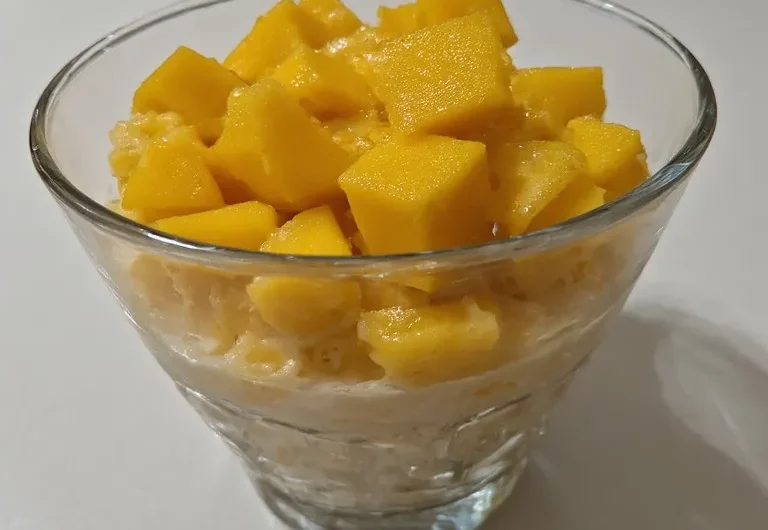
Easy Mango Sago Recipe
Course: DessertCuisine: AmericanDifficulty: Easy4
servings15
minutes20
minutes260
kcalIngredients
1/2 cup small pearl tapioca
1 can (13.5 oz) full-fat coconut milk
3 tablespoons granulated sugar
1/4 teaspoon salt
2 ripe Ataulfo mangoes, peeled and diced
6 cups water, for boiling
Directions
- Bring 6 cups of water to a rolling boil. Add tapioca pearls and stir immediately to prevent sticking.
- Cook 15–20 minutes, stirring occasionally, until pearls are mostly translucent with tiny white centers.
- Drain in a fine-mesh sieve and rinse thoroughly under cold water. Shake excess water out.
- Transfer drained pearls to a bowl and stir in 1 tablespoon sugar while warm. Let cool.
- In a separate bowl, whisk together coconut milk, remaining 2 tablespoons sugar, and salt until dissolved.
- Fold diced mango and cooled tapioca pearls into the coconut base. Stir gently.
- Cover and refrigerate at least 1 hour until cold and slightly thickened.
- Serve in small bowls or glasses. Garnish with extra mango if desired.
Notes
- For best results, see step-by-step images below
Want Perfect Texture? Check the Step-by-Step Images:
Bring a pot of water to a rolling boil. Use more water than you think — tapioca pearls release starch and if the water is too shallow, they glue together into a solid mass that you’ll have to chisel apart. I use about 6 cups of water for half a cup of pearls. Once boiling, add the pearls and stir immediately so they don’t settle on the bottom and fuse into a pancake.
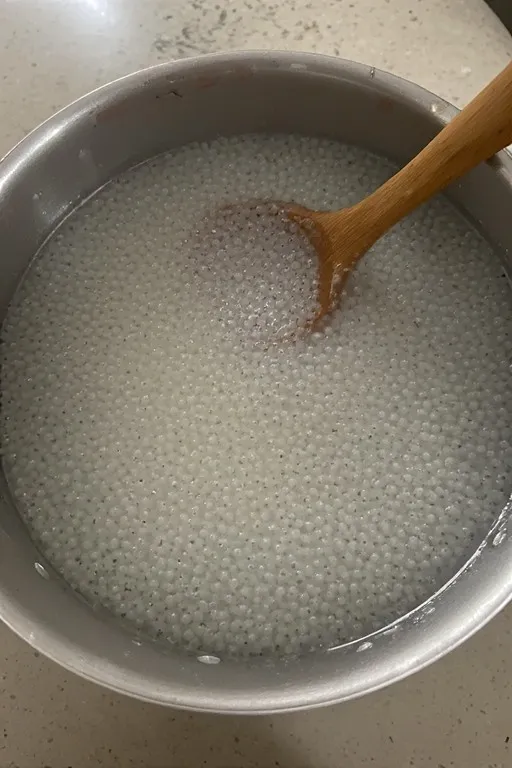
Cook for about 15–20 minutes, stirring occasionally. The pearls will turn from opaque white to translucent with a tiny white dot in the center. That’s your signal — they’re almost done but still have that perfect chewy resistance. If they’re completely clear, you’ve gone too far and they’ll turn to mush when you chill them. I set a timer for 15 minutes and start checking every minute after that. The window between perfect and mushy is narrow and unforgiving.
Drain the pearls in a fine-mesh sieve and rinse thoroughly under cold water. This stops the cooking and washes off excess starch so they don’t clump together into a tapioca brick. Shake the sieve hard — get all the water out. Transfer the drained pearls to a bowl and stir in a tablespoon of sugar while they’re still warm. The sugar dissolves into the sticky surface and creates this subtle sweetness that permeates every bite. It’s a small step that makes a big difference.
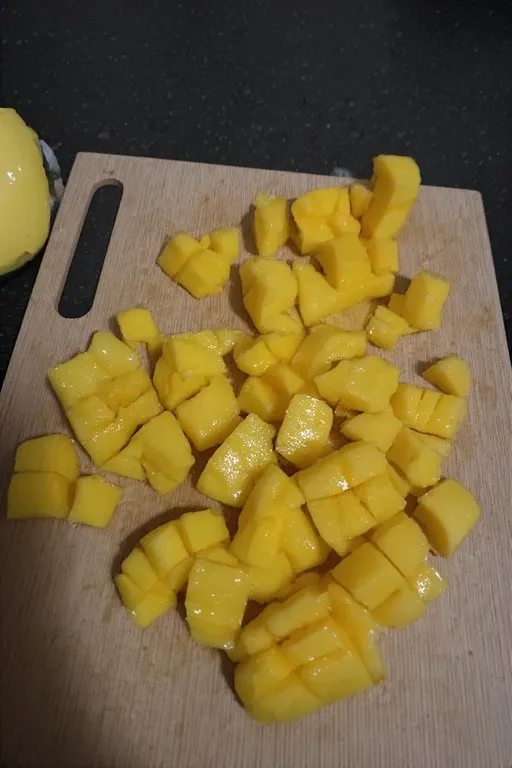
Peel and dice your mango. I do rough chunks — not fancy, not uniform, just bite-sized pieces that fit on a spoon. If the mango is ripe enough, it should practically fall apart as you cut it. The Ataulfo ones have this buttery texture that makes dicing almost unnecessary. Save a few pieces for garnish if you’re feeling fancy, or just dump it all in because you’re hungry and it’s hot and who has time for garnish.
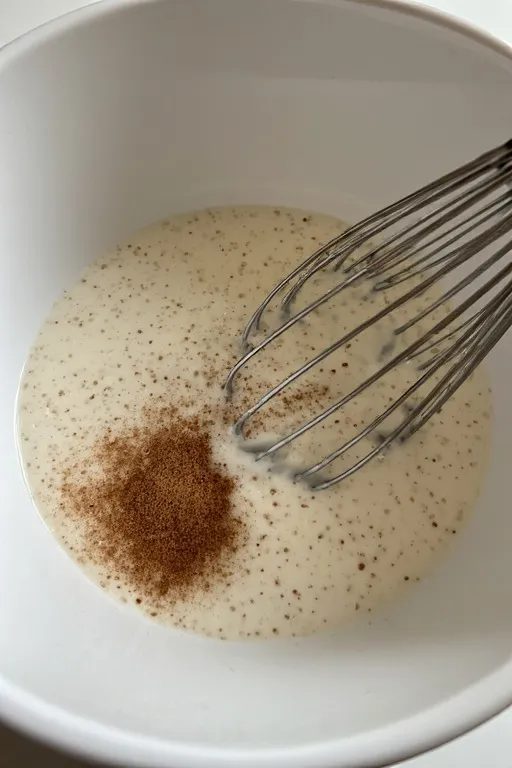
While the pearls cool, make the coconut base. Pour one can of full-fat coconut milk into a bowl. Add three tablespoons of sugar and a pinch of salt. Whisk until the sugar dissolves — it takes a minute, maybe two if the coconut milk is cold from the fridge. The salt is crucial here. Without it, the whole thing tastes flat and one-dimensional. With it, the mango tastes more like mango, the coconut tastes more like coconut, and everything suddenly has depth.
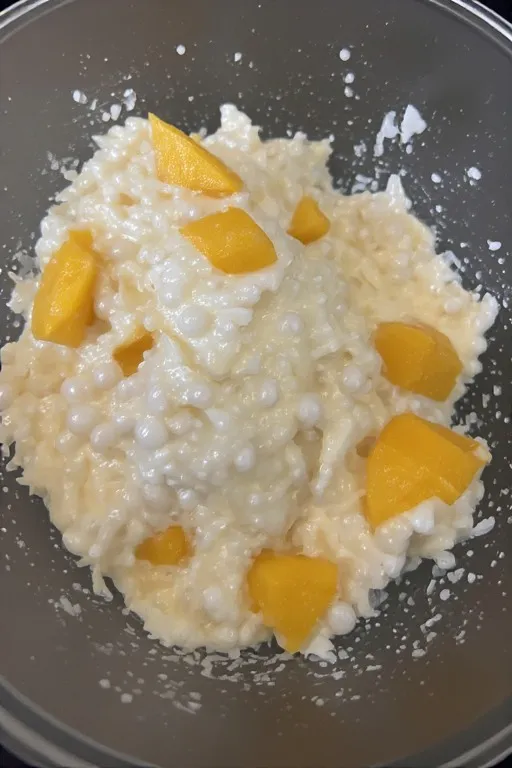
Combine the cooled tapioca pearls, diced mango, and coconut base in a large bowl. Stir gently — you don’t want to smash the mango into puree. The mixture will look thin at first. It thickens as it chills. Cover and refrigerate for at least an hour, or up to overnight if you’re the planning type. I never am. An hour is fine if you stir it well and the coconut milk was cold to start.
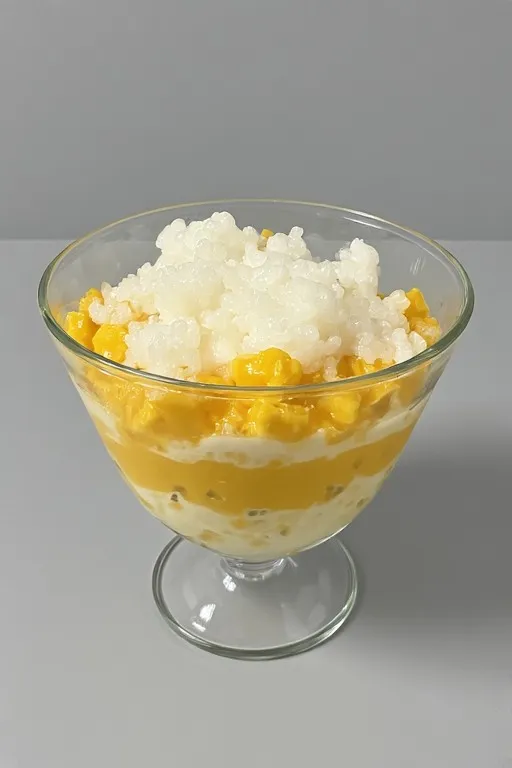
Serve cold in small bowls or glasses. The traditional way is in clear dessert cups so you see the layers — pearls at the bottom, mango in the middle, coconut cream on top. I do it that way when company’s coming. When it’s just me, I eat it straight from the mixing bowl with a soup spoon and no shame. If you want to be extra, drizzle a little extra coconut milk on top or add a sprig of mint that you’ll probably throw away uneaten.
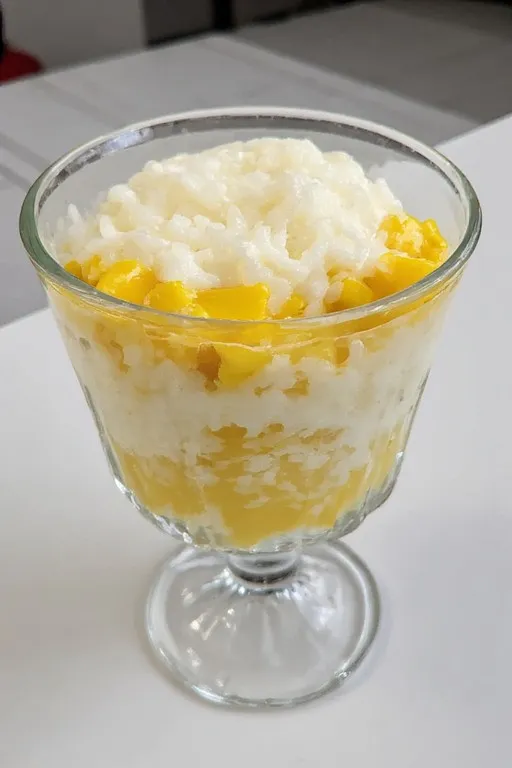
And there it is. Cold, creamy, chewy, sweet without being cloying. The tapioca pearls give it this satisfying texture that makes it feel like actual dessert instead of just fruit in milk. The mango brings the brightness and the tropical vibe. The coconut ties it all together into something that tastes way more sophisticated than the effort involved. I make this when the AC is struggling, when I want dessert but refuse to turn on the oven, when I need something that feels like summer even if I’m just sitting on my couch watching reruns.
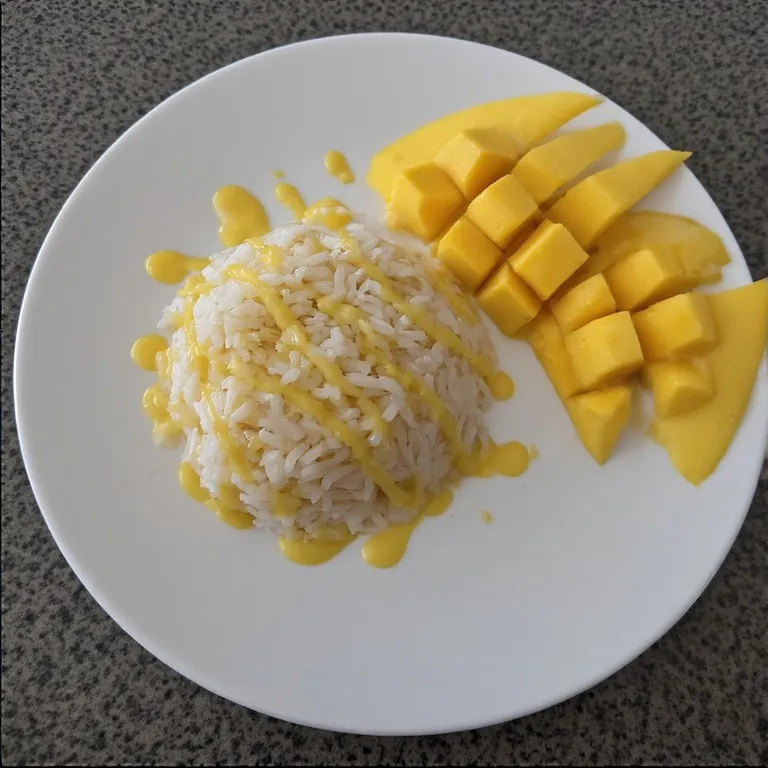
If you want another no-bake tropical treat, my Mango Sticky Rice for Lazy Summer Nights uses the same mango-coconut magic in a completely different texture. And for something savory to balance all this sweetness, Tomato Zucchini Pasta Perfect Summer Dinner is another hot-weather meal that doesn’t ask much of you.
Tips
Don’t use instant tapioca. The kind in the red box that’s meant for pie thickening? Wrong texture, wrong size, wrong everything. You need small pearl tapioca from the Asian aisle. It’s worth the extra trip.
Rinse aggressively after cooking. I know I said this, but it’s the step people skip and then wonder why their pearls fused into a solid block. Cold water, thorough rinse, shake the sieve like you’re angry at it. The pearls should separate easily and feel slightly slippery.
Chill the coconut milk first. If you start with cold coconut milk from the fridge, the whole dessert chills faster and the texture stays better. Warm coconut milk + warm pearls = longer fridge time and slightly softer pearls.
Pick a ripe mango or wait. A hard, flavorless mango ruins this. It should smell intensely floral at the stem end and give slightly when pressed. If it’s rock hard, make something else today and wait two days. Patience is a virtue that tastes like tropical bliss.
Variations
Pomelo Addition. The traditional Hong Kong version includes chunks of pomelo — that giant citrus that looks like a grapefruit’s buff cousin. It adds bitter-sweet segments that cut through the creaminess. If you can find it, use it. If not, grapefruit segments work in a pinch, though they’re more acidic.
Coconut Cream Upgrade. Use coconut cream instead of coconut milk for a richer, more decadent base. Chill the can overnight, scoop out the thick cream, and whip it slightly before folding in. It turns the whole thing into something that feels restaurant-fancy.
Mango Puree Swirl. Blend half the diced mango into a smooth puree and swirl it through the coconut base before adding the pearls. It creates this marbled effect that looks gorgeous and intensifies the mango flavor in every bite.
Sago Only, No Mango. If you’re out of mango or it’s winter and they’re terrible, use canned lychees or longan instead. Drain them well, pat dry, and fold in. Different fruit, same creamy-chewy magic.
Ingredient Substitutions
No small pearl tapioca? The large boba pearls work if you chop them roughly after cooking, but they’re not ideal. Sago — which is similar but made from a different starch — is the traditional choice and works identically. Look for it in the same Asian aisle.
Coconut milk alternatives. If you’re allergic, heavy cream with a tiny splash of coconut extract works. Oat milk is too thin. Almond milk is wrong here. Full-fat dairy cream is your best bet if coconut is off the table.
Sugar swaps. Palm sugar is traditional and adds a caramel depth. Brown sugar works too. Honey makes the base too runny and changes the flavor. Maple syrup is not the vibe. Just use white or palm sugar.
Mango alternatives. Ripe peaches or nectarines work beautifully in late summer. Papaya is too bland and watery. Pineapple is too acidic and fights with the coconut. Stick to soft, sweet stone fruits.
Storage
This keeps in the fridge for up to 2 days in an airtight container. The pearls continue to absorb liquid as they sit, so the mixture thickens over time. If it gets too thick, stir in a splash of cold coconut milk or regular milk to loosen it back up.
Do not freeze. The tapioca pearls turn rubbery and the mango becomes mushy and sad. Just make a fresh batch — it takes 30 minutes and most of that is waiting for water to boil.
FAQ
Can I make this ahead for a party? Yes, but only up to a day ahead. Assemble everything except the final mango garnish, refrigerate overnight, and add fresh diced mango on top right before serving. The pearls will absorb more liquid and the texture will be thicker but still good.
Is this gluten-free? Naturally. Tapioca, coconut milk, mango, sugar — none contain gluten. Just check your tapioca packaging to make sure it wasn’t processed in a facility with wheat if you’re celiac.
Why are my pearls hard in the center? You didn’t cook them long enough. That tiny white dot should be barely visible — if it’s large and obvious, give them another 2–3 minutes. But watch closely. The line between perfect and mushy is thin.
Can I use canned mango? Only if you’re desperate and it’s February. Canned mango is softer, sweeter in a flat way, and lacks the floral brightness of fresh. Drain extremely well and pat dry or it waters down the coconut base.
What’s the difference between sago and tapioca? Sago is made from palm starch, tapioca from cassava. They look and cook almost identically. In Hong Kong, this dessert is technically called mango sago because they use sago. In my kitchen, I use whatever small pearls I have, and it tastes the same. Don’t overthink it.
You May Also Like
If you’re on a cold dessert kick, my Fudgy Zucchini Brownies That Hide the Veggies is another no-oven treat that feels indulgent without heating up your kitchen. And for a savory contrast, Garlic Parmesan Chicken Thighs for Easy Dinners is a 30-minute skillet meal that pairs well with something cold and sweet for dessert.
Conclusion
Mango sago is the dessert I make when I’ve officially given up on the oven for the season. It’s cold, it’s creamy, it’s chewy in that satisfying way that makes you slow down and actually pay attention to what you’re eating. The tapioca pearls make it feel special. The mango makes it taste like summer. And the coconut milk makes it rich enough that you don’t need a huge bowl to feel satisfied. Make it once and you’ll find yourself keeping a bag of tapioca pearls in the pantry just in case the temperature spikes and your sweet tooth demands something tropical.
💚 Feeding the whole family just got easier — check out The Family Table, my ebook with 50 healthy dinners your kids will actually eat!