Egg Roll in a Bowl Recipe Easy One Pan Dinner in 20 Minutes
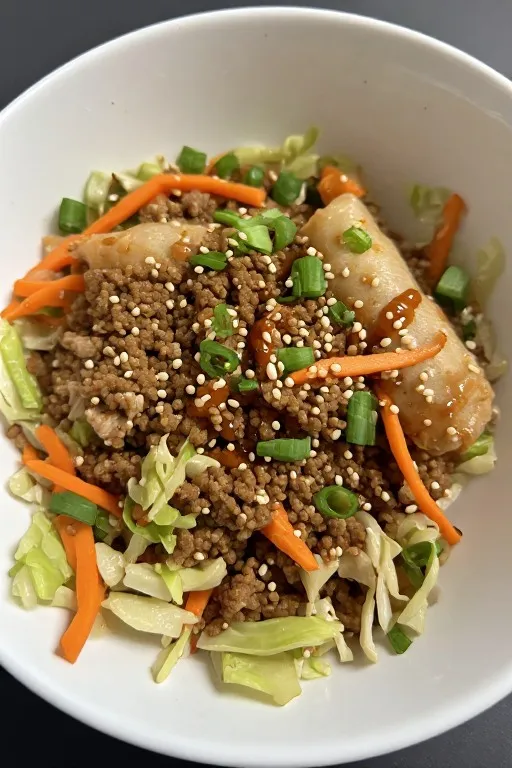
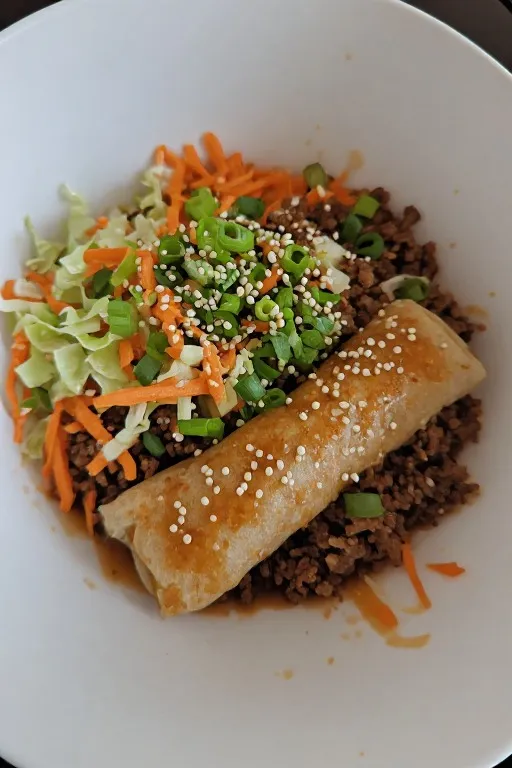
This egg roll in a bowl recipe is savory, satisfying, and ready in 20 minutes. All the flavors of a classic egg roll made in one pan without the wrapper. A healthy dinner the whole family loves.
his recipe came into my life during a period where I was eating takeout egg rolls more often than I care to admit and thinking there had to be a version I could make at home that was just as satisfying but didn't involve deep frying anything.
Egg roll in a bowl is exactly that. You get the same savory pork and cabbage filling, the same garlic and ginger and soy sauce combination, the same sesame finish, all cooked in one pan in about 20 minutes. No wrappers to fold, no oil to heat, no mess. Just the part of the egg roll that everyone actually loves.
I make this weekly. It's one of those recipes that gets eaten fast at the dinner table and then someone always asks if there's more. There usually isn't.
All the flavor of egg rolls without the frying or the wrapper
One pan and 20 minutes start to finish
Works great for meal prep and reheats really well
Naturally gluten free with tamari instead of soy sauce
Low carb on its own or hearty over rice
Kids love it and adults love it even more
What You Need
Ground pork. This is what makes the dish taste most like an actual egg roll. Pork has a richness and fat content that ground chicken and turkey can't quite replicate in this context. That said, ground chicken and ground turkey both work if you prefer a leaner version. Season them a little more generously since they have less natural fat and flavor.
Coleslaw mix or shredded cabbage. A bag of coleslaw mix from the grocery store is the fastest option and contains both green cabbage and shredded carrot already mixed together, which saves prep time. If you want to shred your own, about three cups of thinly shredded green cabbage and one large grated carrot gives you the same thing.
Garlic and fresh ginger. Both are essential. They go in right after the pork is browned and cook for just a minute before the cabbage goes in. Fresh ginger makes a noticeably bigger difference in this dish than in many others. Grate it on a microplane if you have one.
Soy sauce or tamari. Soy sauce is fine for most people. Tamari for a gluten-free version. Low-sodium is recommended since the sauce reduces slightly and can get quite salty with regular soy sauce.
Sesame oil. Added at the end off the heat. Sesame oil has a distinctive nutty flavor that is very characteristic of egg roll filling, and it loses that quality if it's cooked too long over high heat. Add it after the pan comes off the burner.
Rice vinegar. A small splash adds the bright, slightly tangy acidity that balances all the salty, savory, and rich flavors in the pan. Don't skip it.
Hoisin sauce. Optional but highly recommended. A tablespoon stirred into the finished dish adds sweetness and depth that makes the whole bowl taste more like restaurant-quality egg roll filling.
Sriracha. Also optional, for heat. A small amount in the pan while cooking or drizzled over individual bowls at the table.
Green onions and sesame seeds. For finishing. Both matter. Green onions add freshness and a mild onion flavor. Sesame seeds add texture and a visual cue that tells your brain this is something good.
For serving. This works beautifully on its own as a low-carb bowl, or over steamed jasmine rice for something more substantial.
How to Make Egg Roll in a Bowl
Brown the Pork
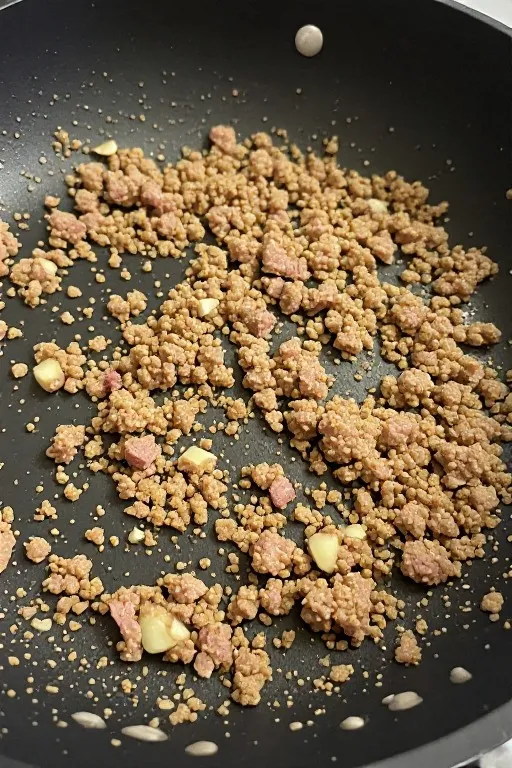
Heat a large skillet or wok over medium-high heat with a tablespoon of neutral oil. Add the ground pork and cook, breaking it up into small pieces, for about 5 to 6 minutes until fully browned and no pink remains. Drain any excess fat if there's a lot, but leave some in the pan since it carries flavor.
Add the minced garlic and grated ginger and cook for 60 seconds, stirring constantly. The pan will smell incredible at this point.
Add the Cabbage and Season
Add the coleslaw mix or shredded cabbage and carrot to the pan. Toss everything together and cook for 3 to 4 minutes, stirring frequently, until the cabbage has wilted down and softened slightly but still has a little texture. You don't want it completely limp and overcooked. It should still have some structure.
Pour in the soy sauce, rice vinegar, and hoisin if using. Stir everything together and cook for another minute until the sauce coats everything and the liquid reduces slightly.
Remove the pan from the heat. Drizzle the sesame oil over everything and toss through.
Taste it. It should be savory, slightly sweet from the hoisin, and have a bright vinegary note underneath. Add more soy sauce if it needs more salt, more rice vinegar if it needs more brightness, a drizzle of sriracha if you want heat.
Scatter sliced green onions and sesame seeds over the top.
Serve immediately over rice or in bowls on its own.
The flavors in this bowl are in the same family as the chicken lettuce wraps and the dump and go crockpot teriyaki chicken. If you find yourself making Asian-inspired weeknight dinners regularly, all three rotate well together through the week without feeling repetitive.
💚 Upgrade your meals with high protein recipes the whole family will love — check out The High Protein Cookbook, packed with delicious protein-packed recipes to keep you full and energized!
Tips
Don't overcook the cabbage. Three to four minutes over high heat is enough. The cabbage should wilt and soften but still have a little bite. Overcooked cabbage goes limp and watery and loses the texture that makes egg roll filling appealing. Watch it and pull it off the heat while there's still some structure left.
Add sesame oil off the heat. Sesame oil is a finishing oil, not a cooking oil. Added to a hot pan, the flavor compounds burn off quickly and you lose most of what makes it distinctive. Always add it after the pan comes off the burner and toss through immediately.
Taste before serving and adjust. This is one of those dishes where the balance of salty, sweet, and acidic is the whole thing. Taste it, and if something feels off, identify which element is missing. Flat? More soy sauce or salt. Too salty? More rice vinegar. Too heavy? More vinegar and a squeeze of lime. Missing depth? More hoisin.
Drain excess fat from the pork. Ground pork can release a fair amount of fat as it cooks. Draining most of it before adding the cabbage prevents the finished bowl from being greasy.
Use a large enough pan. The coleslaw mix looks like a lot when you first add it to the pan. It needs room to stir and wilt down properly. A skillet that's too small traps steam and the cabbage steams instead of sautéing.
Variations
Make it with ground chicken or turkey. A leaner version that still works well. Season the meat slightly more generously and consider adding a little extra hoisin since chicken and turkey have less natural richness than pork.
Add scrambled egg. Push the finished pork and cabbage to the sides of the pan and crack one or two eggs into the center. Scramble them until just set, then stir through the rest of the filling. The egg adds richness and makes the bowl feel even more like the inside of an egg roll.
Add mushrooms. Finely diced shiitake or cremini mushrooms added with the garlic and ginger add an earthy depth that works really well in this bowl. They also add extra substance if you're not serving over rice.
Make it spicy. Add chili garlic sauce or gochujang along with the soy sauce. A tablespoon of either one adds significant heat and complexity that takes the bowl somewhere more interesting.
Serve in lettuce cups. Skip the rice and spoon the filling into cold butter lettuce cups instead, just like the chicken lettuce wraps. A lighter, lower-carb version that works really well as an appetizer or a light lunch.
Add water chestnuts. A drained can of water chestnuts, roughly chopped and added with the cabbage, adds the same distinct crunch you get in restaurant egg rolls.
Substitutions
Ground pork can be replaced with ground chicken, ground turkey, ground beef, or a combination of pork and beef. Crumbled firm tofu pressed very dry and browned in a hot pan works for a vegetarian version.
Coleslaw mix can be replaced with shredded green cabbage and grated carrot, or a mix of green and purple cabbage. Napa cabbage has a more delicate flavor and slightly softer texture that also works well here.
Soy sauce can be replaced with tamari for gluten free or coconut aminos for soy free. Coconut aminos is slightly sweeter so you may want to reduce the hoisin slightly.
Hoisin sauce can be replaced with a mix of oyster sauce and a small amount of honey. Or simply leave it out for a less sweet, more savory bowl.
Rice vinegar can be replaced with apple cider vinegar in the same quantity or a small squeeze of fresh lime juice.
Sesame oil is hard to substitute directly. If you don't have it, toasted sesame seeds added generously at the end add some of the same nutty quality.
Storage
The cooked filling keeps really well in an airtight container in the fridge for up to 4 days. This is one of the best recipes for meal prep because the flavors get even better on day two as everything sits together.
Reheat in a skillet over medium heat for a few minutes with a small splash of soy sauce or water to prevent sticking, or microwave in 60-second intervals until warmed through.
Store rice separately from the filling if you're meal prepping. Reheat rice with a splash of water to keep it from drying out.
The filling freezes well for up to 3 months. Cool completely before transferring to freezer containers. Thaw overnight in the fridge before reheating. The texture of the cabbage softens slightly after freezing but the flavor is unchanged.
Frequently Asked Questions
Can I use pre-shredded coleslaw mix from a bag?
Yes and it's the fastest option. A standard 14-ounce bag of coleslaw mix is roughly the right amount for this recipe and already contains the cabbage and carrot shredded together. It saves significant prep time and works just as well as shredding fresh cabbage yourself.
Is this recipe really gluten free?
It is when you swap regular soy sauce for tamari or coconut aminos. Regular soy sauce contains wheat and is not gluten free. Everything else in the recipe is naturally gluten free. Always check your hoisin sauce label as well since some brands contain wheat.
Can I make this vegetarian?
Yes. Pressed and crumbled extra-firm tofu browned in a hot skillet makes a good substitute for the pork. Season it generously since tofu has no inherent flavor on its own. Alternatively, skip the protein entirely and double the cabbage and add mushrooms for a vegetable-forward version.
How do I keep the cabbage from getting too soft?
Cook it over medium-high to high heat for no more than 3 to 4 minutes, stirring frequently. Lower heat and longer cooking times cause the cabbage to steam and go limp rather than sauté and stay slightly crisp. The goal is wilted but still textured, not soft and watery.
What's the best way to serve this?
Over steamed jasmine rice for a complete meal. On its own in a bowl for a lower-carb dinner. In butter lettuce cups as a lighter option. With a drizzle of sriracha and extra sesame seeds regardless of which way you go.
This egg roll in a bowl is savory, satisfying, and ready in 20 minutes. All the flavors of a classic egg roll made in one pan without the wrapper. A healthy dinner the whole family loves.
Ingredients
1lb ground pork (or ground chicken or turkey)
1bag coleslaw mix, or 3 cups shredded cabbage and 1 large grated carrot (14 oz)
4cloves garlic, minced
1tablespoon fresh ginger, grated
1tablespoon neutral oil
3tablespoons low-sodium soy sauce or tamari
1tablespoon rice vinegar
1tablespoon hoisin sauce (optional but recommended)
1teaspoon sesame oil, added off heat
Sriracha to taste, optional
3green onions, thinly sliced
1tablespoon sesame seeds
Steamed jasmine rice for serving, optional
Instructions
1
Heat neutral oil in a large skillet over medium-high heat. Add ground pork and cook, breaking into small crumbles, for 5 to 6 minutes until fully browned. Drain most of the excess fat.
2
Add minced garlic and grated ginger. Cook for 60 seconds, stirring constantly, until fragrant.
3
Add the coleslaw mix. Toss with the pork and cook for 3 to 4 minutes, stirring frequently, until the cabbage wilts but still has some texture.
4
Add soy sauce, rice vinegar, and hoisin. Stir to coat everything and cook for another minute until the sauce reduces slightly.
5
Remove from heat. Drizzle sesame oil over the top and toss through. Taste and adjust with more soy sauce, vinegar, or sriracha as needed.
6
Scatter sliced green onions and sesame seeds over the top. Serve immediately over rice or on its own.
Nutrition Facts
Servings 4
Amount Per Serving
Calories340kcal
% Daily Value *
Total Fat20g31%
Saturated Fat6g30%
Cholesterol80mg27%
Sodium680mg29%
Total Carbohydrate10g4%
Dietary Fiber2g8%
Sugars5g
Protein28g57%
* Percent Daily Values are based on a 2,000 calorie diet. Your daily value may be higher or lower depending on your calorie needs.
Note
Add the sesame oil after the pan comes off the heat, not while cooking. It's a finishing oil and the flavor burns off quickly if added over high heat.
Don't overcook the cabbage. Three to four minutes at medium-high heat is all it needs. Overcooked cabbage goes watery and soft and loses the texture that makes this dish satisfying.
This reheats really well and the flavors are noticeably better on day two. Make a double batch if you want meal prep lunches sorted for the week.
Did you make this recipe?
Pin this recipe to share with your friends and followers.
Jessica Thomas
Food Blogger
Hi, I'm Jessica! A food blogger, home cook, wife, and proud mom to a wonderful daughter. I love creating simple, delicious recipes that make everyday cooking easy and enjoyable for everyone.