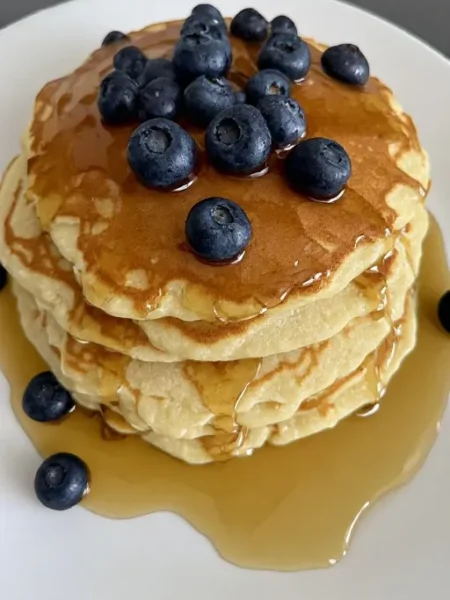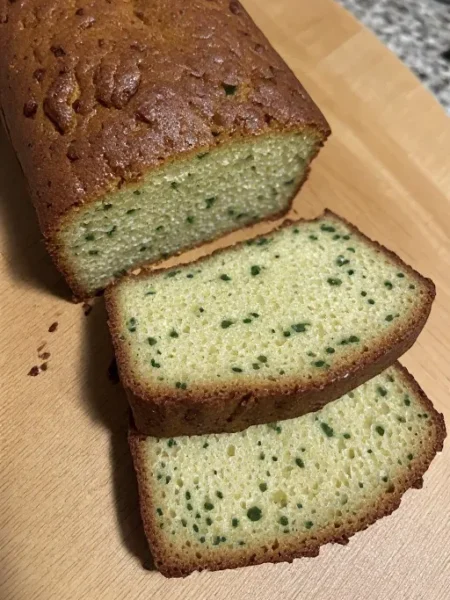

➡️ You should try this recipe next: Fluffy Pancake Recipe for the Perfect Breakfast
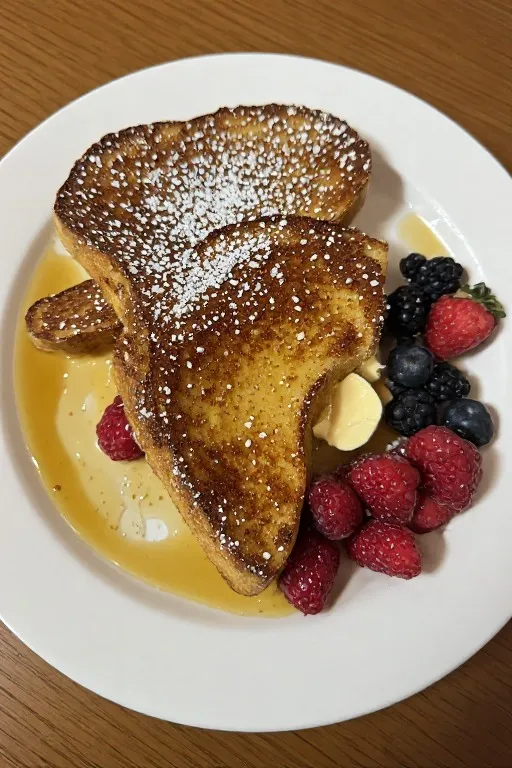
This is the best French toast recipe — thick slices of brioche soaked in a rich custard and cooked until golden. Crispy on the outside, custardy in the middle, and ready in 20 minutes.
There is a difference between French toast and good French toast.
The difference is the bread and the custard. Most people use whatever sandwich bread is in the kitchen. It works, but it’s not the same as thick-cut brioche soaked in a proper custard — eggs, whole milk, cream, vanilla, cinnamon — that gets into every layer of the bread before it hits the pan.
The outside gets golden and slightly crispy. The inside stays soft, rich, and custardy — almost like bread pudding but in individual slices. The kind of French toast that you eat slowly because it deserves your full attention.
Twenty minutes. One pan. The kind of breakfast that makes people show up on time to the table.
Ingredients Overview
Brioche bread is the foundation. Thick-cut brioche — sliced about ¾ to 1 inch thick — soaks up the custard without falling apart and has a slightly sweet, buttery flavor that makes French toast taste genuinely special. Day-old brioche works even better than fresh because it’s slightly drier and absorbs the custard more evenly. Challah is an excellent substitute. Texas toast or thick-cut white sandwich bread works if brioche isn’t available — just avoid thin slices that go soggy immediately.
Eggs form the base of the custard. Three whole eggs give the mixture its richness and help the French toast set properly in the pan rather than staying wet and soft in the middle.
Whole milk and heavy cream together create the custard base. Whole milk alone works but adding a splash of heavy cream makes the custard noticeably richer. The combination is what gives you that custardy interior rather than just eggy bread.
Vanilla extract is non-negotiable. It’s what makes the custard taste like custard rather than just egg and milk. A full teaspoon — don’t be shy with it.
Cinnamon adds warmth and depth to the custard. Just enough to taste it without it becoming cinnamon French toast specifically.
Sugar — just a tablespoon — in the custard adds slight sweetness and helps the outside caramelize in the pan. Not enough to make it sweet on its own, but enough to notice.
Salt — a small pinch — balances the sweetness and makes the vanilla flavor more pronounced.
Butter for cooking. Unsalted butter in the pan gives you that golden, slightly browned exterior. A mix of butter and a small amount of neutral oil prevents the butter from burning if you’re doing multiple batches.
How to Make the Best French Toast
Make the Custard
In a wide shallow bowl — wide enough to lay a slice of bread flat — whisk together 3 large eggs, ½ cup whole milk, 2 tablespoons heavy cream, 1 tablespoon sugar, 1 teaspoon vanilla extract, ½ teaspoon cinnamon, and a pinch of salt.
Whisk until fully combined and the eggs are completely incorporated — no streaks of egg white. The custard should look smooth and slightly frothy.
Taste it. It should be vanilla-forward with a hint of cinnamon and just a touch of sweetness. Adjust vanilla or cinnamon if needed.
Soak the Bread
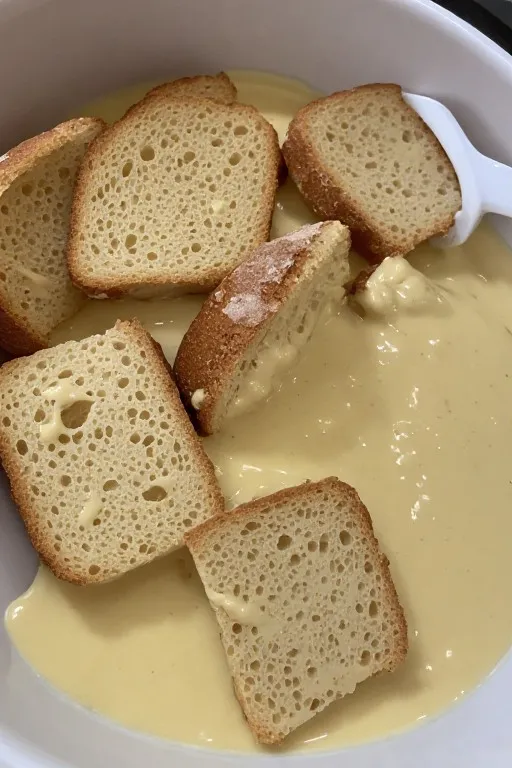
Lay one slice of brioche in the custard and let it soak for 30–45 seconds per side. Press the bread gently into the custard so it absorbs evenly all the way through. Thick brioche needs real soaking time — a quick dip gives you eggy coating on the outside with dry bread in the middle.
You should feel the slice become slightly heavier and softer as it absorbs the custard. That’s correct. Don’t rush this step.
Work in batches — soak the bread only as you’re ready to cook it. Don’t pre-soak multiple slices and let them sit or they’ll become too saturated and fall apart.
Cook Until Golden
Heat a large non-stick skillet or griddle over medium heat. Add 1 tablespoon unsalted butter and let it melt and foam. Once the foam subsides the pan is ready.
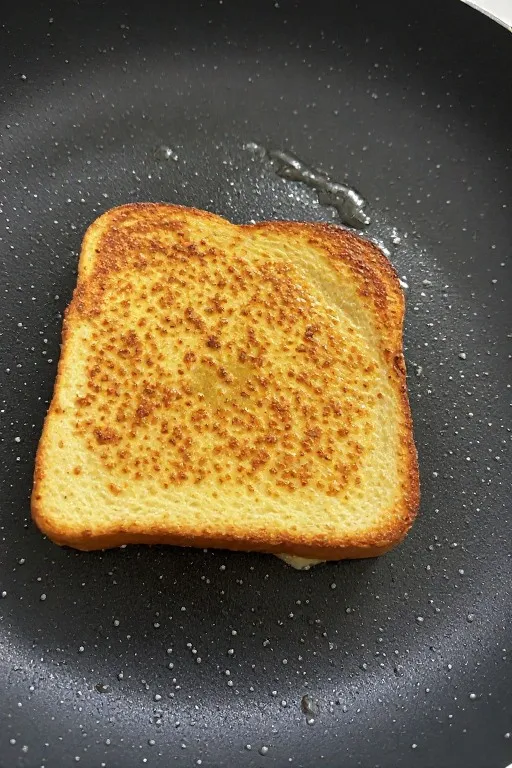
Add the soaked bread slice to the pan. Cook for 3–4 minutes on the first side without moving it until deeply golden brown — not just lightly colored. The color on the first side is where the caramelization and flavor happen. Flip carefully and cook 2–3 minutes on the second side until equally golden.
The French toast is done when the outside is deep golden, the edges look set, and it feels slightly firm when you press the center gently with a spatula.
Add a small amount of fresh butter between each piece to keep the pan coated. Cook in batches and keep finished pieces warm in a 200°F oven on a baking sheet while you work through the rest.
Serve
Dust with powdered sugar right before serving. Add fresh berries, a drizzle of maple syrup, and a pat of butter on top if you like.
Serve immediately — French toast is best the moment it comes off the pan.
💚 Upgrade your meals with high protein recipes the whole family will love — check out The High Protein Cookbook, packed with delicious protein-packed recipes to keep you full and energized!
Tips for the Best French Toast
Use thick bread. Thin sandwich bread soaks through too quickly, gets soggy, and tears in the pan. Brioche or challah sliced ¾ to 1 inch thick holds up to the custard and gives you that contrast of crispy exterior and soft interior that makes great French toast.
Day-old bread is better. Slightly stale bread absorbs the custard more evenly and holds together better in the pan. If your brioche is fresh, leave the slices uncovered on the counter for 30 minutes to dry out slightly before soaking.
Soak long enough. Thirty to forty-five seconds per side minimum for thick brioche. You want the custard to penetrate to the center of the bread, not just coat the outside. A properly soaked slice feels heavier and softer when you lift it.
Cook on medium, not high. High heat browns the outside immediately while leaving the custard inside wet and undercooked. Medium heat gives you the time to cook the inside through while developing an even golden color on the outside.
Don’t move it while it cooks. Leave the bread alone for the full 3–4 minutes on the first side. Moving it prevents the crust from forming properly. When it releases cleanly and is deeply golden, flip it.
Fresh butter between batches. The butter in the pan browns and eventually burns if you don’t refresh it. A small amount of fresh butter for each piece keeps the cooking environment consistent and the flavor clean.
Variations
Stuffed French toast. Spread cream cheese mixed with a little powdered sugar and vanilla between two slices of brioche, press together, soak the whole sandwich in the custard, and cook as usual. The cream cheese melts slightly inside as it cooks. Rich, indulgent, and absolutely worth making on a special occasion.
Cinnamon roll French toast. Add an extra ½ teaspoon of cinnamon and a pinch of nutmeg to the custard. Serve with a cream cheese glaze drizzled over the top instead of maple syrup — cream cheese, powdered sugar, vanilla, and enough milk to make it drizzleable. Tastes exactly like a cinnamon roll in French toast form.
Savory French toast. Leave out the sugar, vanilla, and cinnamon. Add a pinch of garlic powder, fresh thyme, and black pepper to the custard instead. Cook the same way and top with a fried egg, avocado, and hot sauce. A completely different direction that’s excellent for brunch.
Berry compote topping. Simmer 1 cup of mixed berries with 2 tablespoons of sugar and a squeeze of lemon over medium heat for 8–10 minutes until syrupy. Spoon warm over the French toast instead of maple syrup. Goes beautifully with the fluffy pancake recipe as part of a full weekend brunch spread.
Baked French toast casserole. Cube a whole loaf of brioche and layer in a greased 9×13 baking dish. Pour a doubled custard over the top and let it soak overnight in the fridge. Bake at 350°F for 45 minutes until puffed and golden. Perfect for feeding a crowd at brunch without standing at the stove.
Orange French toast. Add the zest of one orange and a tablespoon of fresh orange juice to the custard in place of some of the milk. The citrus note cuts through the richness and pairs beautifully with powdered sugar and fresh berries.
Ingredient Substitutions
Brioche → Challah is the best substitute — slightly less rich but similar texture. Texas toast or thick-cut white bread works well. Sourdough for a tangier, chewier French toast with more structure. Avoid pre-sliced sandwich bread — it’s too thin and goes soggy immediately.
Whole milk → 2% milk works fine. Oat milk or almond milk for dairy-free — the custard is slightly less rich but still works. Full-fat coconut milk for a dairy-free version with more richness.
Heavy cream → Replace with more whole milk for a lighter custard. Greek yogurt thinned with milk adds tanginess and protein.
Eggs → For egg-free French toast, blend ¼ cup silken tofu with the milk until smooth and use as the custard base. The texture is different but it works. A flax egg (1 tablespoon ground flaxseed + 3 tablespoons water) also works as a partial substitute.
Butter → Coconut oil as a dairy-free alternative. A neutral oil like avocado oil — less flavor than butter but works well.
Vanilla extract → Almond extract in half the quantity for a different but equally warm flavor. A pinch of cardamom added to the cinnamon for a slightly exotic direction.
Storage
French toast is best eaten fresh — directly from the pan. That said, it reheats better than most people expect.
Fridge: Store cooked French toast in an airtight container with parchment between slices for up to 3 days.
To reheat: Toaster is the best method — gives you back the crispy exterior that the microwave can’t replicate. 1–2 minutes on a medium setting. Oven at 350°F on a baking sheet for 8–10 minutes also works well. Microwave in 30-second intervals if you’re in a hurry — it works but the exterior goes soft.
Freezer: Freeze cooked and cooled French toast in a single layer on a baking sheet until solid then transfer to a freezer bag with parchment between slices. Keeps for up to 2 months. Reheat straight from frozen in the toaster — 2–3 minutes. A genuine weekday morning shortcut when you batch cook on weekends.
Custard: The uncooked custard keeps covered in the fridge for up to 2 days. Whisk again before using.
Frequently Asked Questions
Why is my French toast soggy in the middle? Two common causes — bread soaked too long and became waterlogged, or cooked on too high heat that browned the outside before the inside cooked through. Use thick bread, soak for 30–45 seconds per side only, and cook on medium heat for the full 3–4 minutes per side.
Can I use regular sandwich bread? Yes, but the result won’t be the same. Thin sandwich bread soaks through too quickly and goes limp in the pan. If it’s all you have, reduce the soaking time to 15 seconds per side and handle carefully.
What’s the best bread for French toast? Brioche is the gold standard — buttery, slightly sweet, and absorbs custard beautifully. Challah is an equally excellent choice. Both are widely available at most grocery stores and bakeries.
Can I make the custard the night before? Yes. Mix the custard, cover, and refrigerate overnight. Whisk again before using since the eggs can separate slightly as they sit. This is a great time-saver for weekend brunch.
Why does my French toast stick to the pan? Usually caused by not enough butter in the pan or the pan not being hot enough before adding the bread. Make sure the butter is fully melted and coating the surface, and let it heat for 1–2 minutes before adding the soaked bread.
Can I make this dairy-free? Yes — replace whole milk and cream with full-fat oat milk or coconut milk, and use coconut oil or vegan butter in place of butter. The custard is slightly less rich but the result is still very good.
You May Also Like
- Fluffy Pancake Recipe for the Perfect Breakfast
- Freezer Friendly Breakfast Burritos Perfect for Meal Prep
Final Thoughts
The best French toast recipe comes down to two things — good bread and a proper custard. Get those right and everything else follows naturally.

Best French Toast Recipe Thick Custardy and Golden
Description
This is the best French toast recipe — thick slices of brioche soaked in a rich custard and cooked until golden. Crispy on the outside, custardy in the middle, and ready in 20 minutes.
Ingredients
Custard:
French Toast:
To Serve:
Instructions
- In a wide shallow bowl whisk together eggs, whole milk, heavy cream, sugar, vanilla extract, cinnamon, and salt until smooth and fully combined with no egg streaks.
- Heat a large non-stick skillet over medium heat. Add 1 tablespoon butter and let it melt until the foam subsides.
- Lay one slice of brioche in the custard. Soak 30–45 seconds per side, pressing gently to help absorption. The slice should feel slightly heavier and softer.
- Place soaked bread in the pan. Cook 3–4 minutes on the first side without moving until deeply golden brown. Flip carefully and cook 2–3 minutes on the second side until equally golden.
- Keep cooked French toast warm in a 200°F oven on a baking sheet while cooking remaining slices. Add fresh butter to the pan between each piece.
- Dust with powdered sugar right before serving. Serve with maple syrup, fresh berries, and butter.
Nutrition Facts
Servings 4
- Amount Per Serving
- Calories 380kcal
- % Daily Value *
- Cholesterol 185mg62%
- Sodium 340mg15%
- Total Carbohydrate 42g15%
- Dietary Fiber 18g72%
- Sugars 10g
- Protein 11g22%
* Percent Daily Values are based on a 2,000 calorie diet. Your daily value may be higher or lower depending on your calorie needs.
Note
Day-old brioche absorbs the custard more evenly than fresh — leave slices uncovered on the counter for 30 minutes if your bread is fresh to dry it out slightly
Soak each slice for the full 30–45 seconds per side — a quick dip gives you a dry center with just eggy coating on the outside, not the custardy interior you want.
❤️ Your Support Means a Lot I'm a new food blogger, and every rating and comment helps me grow and reach more readers. If you enjoyed browsing this recipe, I'd truly appreciate a quick rating below and would love to hear your thoughts in the comments. Thank you for supporting my journey and being part of Jessica Healthy Recipes! ❤️