
 Jessica
These oven roasted vegetables are caramelized, tender, and full of flavor. Simple seasoning, high heat, and the right technique — the perfect easy side dish for any meal any night of the week!

Roasted vegetables are one of those things that sounds completely ordinary until you make them properly and realize how good they actually are. Not steamed, not boiled, not sautéed — roasted. High heat, olive oil, space on the pan, and time. What comes out is deeply caramelized at the edges, tender through the middle, and genuinely flavorful in a way that no other cooking method quite replicates.
The technique matters more than the recipe. You can roast almost any vegetable and have it turn out beautifully as long as you follow a few consistent principles. Cut things to similar sizes. Use enough oil. Don’t crowd the pan. Use high heat. Those four things are the entire difference between vegetables that are soggy and forgettable and vegetables that are crispy-edged, golden, and worth eating on their own.
This is the side dish that goes with everything — any protein, any cuisine, any night of the week. If you love simple recipes that rely on good technique over complicated ingredients, the Summer Corn Salad follows the exact same philosophy — simple, fresh, a little technique making all the difference.
The Best Vegetables for Roasting
Almost everything roasts well but different vegetables need different timing. Here’s what works and approximately how long each needs at 425°F:
Fast roasters (15–20 minutes): Cherry tomatoes, asparagus, thin green beans, snow peas, sliced mushrooms, cherry peppers
Medium roasters (20–30 minutes): Zucchini, broccoli, cauliflower, bell peppers, red onion, Brussels sprouts halved, thin carrot slices
Slow roasters (30–45 minutes): Sweet potato cubes, butternut squash, thick carrot chunks, beets, whole garlic cloves, parsnips
The simplest approach — cut everything to a similar size and group similar-timing vegetables together on the same pan. Or stagger them — start the slow roasters first, add the faster ones partway through.
Want Perfect Texture? Check the Step-by-Step Images:
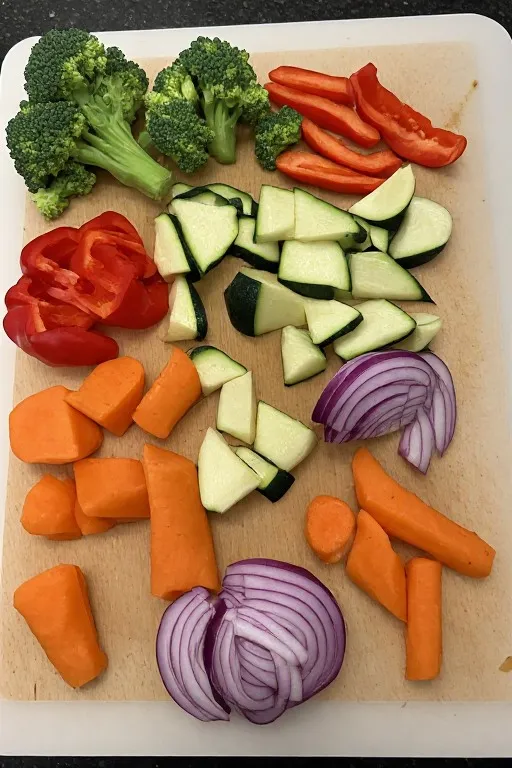
Step 1: Prep the Vegetables
Preheat oven to 425°F. Wash and dry the vegetables thoroughly — wet vegetables steam rather than roast. Cut everything into pieces of similar size — roughly 1–1.5 inch pieces for most vegetables. Similar size means similar cook time which means everything finishes at the same moment rather than some things being perfect while others are either raw or overdone.
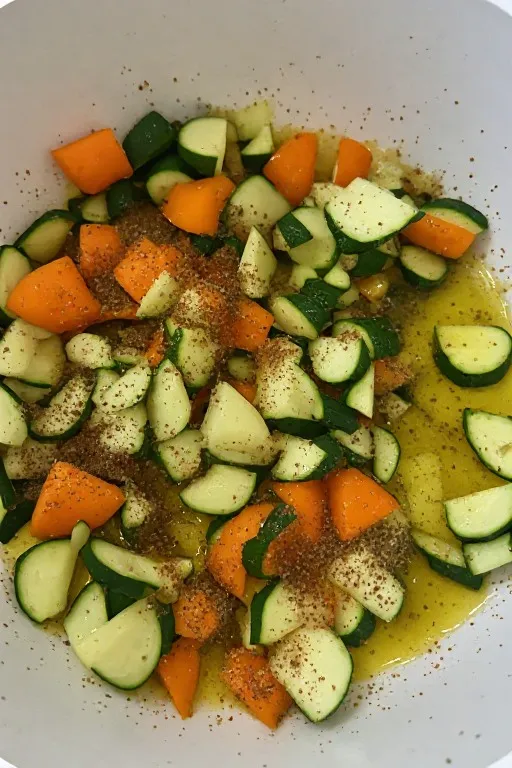
Step 2: Season Generously
Transfer the cut vegetables to a large bowl. Drizzle generously with olive oil — more than you think you need. Add minced garlic, Italian seasoning, garlic powder, smoked paprika, salt, and pepper. Toss everything together until every single piece is evenly coated in oil and seasoning. Underseasoned, under-oiled vegetables are one of the most common reasons roasted vegetables disappoint. Every surface needs oil contact for proper caramelization.
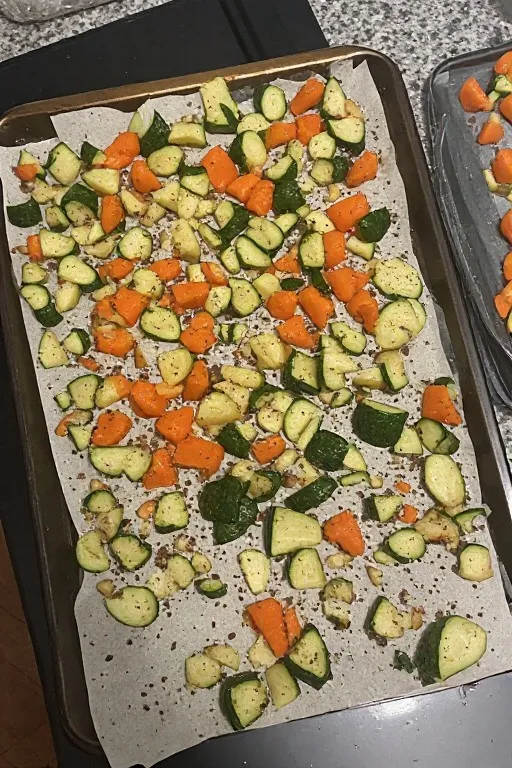
Step 3: Spread on Baking Sheets — Without Crowding
Spread the seasoned vegetables across two large rimmed baking sheets in a single layer. Every piece should have space around it — not touching other pieces. This is the single most important step in the recipe. Use two pans if you need to. Crowded vegetables steam instead of roast and you will not get caramelization no matter how long they stay in the oven. When in doubt, use more sheet pans.
Step 4: Roast at High Heat
Place the baking sheets in the preheated 425°F oven. Roast for 20 minutes without opening the oven. The high heat is what creates caramelization — don’t be tempted to lower it because you’re worried about burning. Vegetables need the heat. If they look like they’re getting too dark before they’re tender, that’s usually a sign the pan is too crowded rather than the temperature being too high.
Step 5: Flip and Finish
After 20 minutes use a spatula to flip or stir the vegetables — getting the unbrowned sides down against the hot pan. Return to the oven for another 10–15 minutes until the edges are deeply golden and caramelized and the vegetables are tender when pierced with a fork. Some edges should look dark — that’s not burnt, that’s caramelization and it’s where the flavor lives.
Final Dish


Oven Roasted Vegetables Easy and Perfectly Caramelized
Course: SidesCuisine: AmericanDifficulty: Easy6
servings15
minutes30
minutes140
kcalIngredients
2 cups broccoli florets
1 red bell pepper, cut into 1-inch pieces
1 yellow bell pepper, cut into 1-inch pieces
2 medium zucchini, cut into 1-inch half-moons
2 medium carrots, cut into ½-inch rounds
1 red onion, cut into wedges
1 cup cherry tomatoes, whole
3 tbsp olive oil
4 garlic cloves, minced
1 tsp Italian seasoning
½ tsp garlic powder
½ tsp smoked paprika
Salt and pepper to taste
Juice of ½ lemon
Fresh parsley or basil for garnish
Directions
- Preheat oven to 425°F. Wash and thoroughly dry all vegetables. Cut into similar 1–1.5 inch pieces.
- Place all vegetables in a large bowl. Drizzle generously with olive oil. Add minced garlic, Italian seasoning, garlic powder, smoked paprika, salt, and pepper. Toss until every piece is evenly coated.
- Spread across two large rimmed baking sheets in a single layer — no crowding, no overlapping.
- Roast at 425°F for 20 minutes without opening the oven.
- Flip or stir vegetables and return to oven for another 10–15 minutes until deeply golden and tender.
- Remove from oven. Squeeze fresh lemon juice over immediately. Scatter fresh herbs over the top. Taste and adjust salt. Serve hot.
Notes
- For best results, see step-by-step images below
What to Serve These With
Roasted vegetables work alongside almost anything. A few combinations that are particularly good:
- Any grilled or roasted chicken — the Crockpot Chicken Thighs are an especially good pairing. The rich slow-cooked chicken and the caramelized vegetables make a genuinely complete plate with very little effort
- Garlic butter chicken bites — the Garlic Butter Chicken Bites with roasted vegetables on the side is a 20-minute dinner that looks significantly more intentional than the effort involved
- Pasta — toss roasted vegetables with pasta, olive oil, and Parmesan for an easy dinner that uses leftover vegetables brilliantly
- Grain bowls — over quinoa or farro with a tahini dressing
- Eggs — leftover roasted vegetables reheated with a fried egg on top is one of the best quick lunches available
- As a standalone side — alongside Zucchini Noodles for a fully vegetable-forward dinner that’s genuinely satisfying
💚 Feeding the whole family just got easier — check out The Family Table, my ebook with 50 healthy dinners your kids will actually eat!
Tips for the Best Oven Roasted Vegetables
- Dry the vegetables after washing — moisture prevents caramelization
- Cut everything to similar sizes — even cooking throughout
- Use enough olive oil — every piece needs proper coating
- Don’t crowd the pan — the single most important tip in this entire recipe
- Use high heat — 425°F minimum, some vegetables do better at 450°F
- Don’t open the oven for the first 20 minutes — let the heat do its work
- Flip halfway through — gets caramelization on both sides
- Finish with lemon — acid brightens everything, don’t skip it
- Taste before serving — often needs a final pinch of salt after roasting
Best Vegetable Combinations to Try
Mediterranean mix — zucchini, cherry tomatoes, red onion, bell peppers, and olives. Finish with feta and fresh basil.
Root vegetable mix — sweet potato, parsnip, carrot, and beets. Takes longer — about 35–40 minutes — but deeply sweet and earthy.
Brassica mix — broccoli, cauliflower, and Brussels sprouts. Roast until the edges are very dark and almost crispy. The dark bits are the best part.
Summer mix — zucchini, corn cut from the cob, cherry tomatoes, and asparagus. Quick roast at 425°F for about 15–18 minutes.
Winter mix — butternut squash, red onion, cranberries, and pecans. Add the cranberries and pecans in the last 5 minutes only.
Variations Worth Trying
Balsamic glaze — drizzle balsamic glaze over the vegetables immediately after roasting alongside the lemon. The sweetness against the caramelized edges is genuinely excellent.
Parmesan crusted — toss the vegetables with a handful of freshly grated Parmesan in the last 5 minutes of roasting. The cheese melts and crisps against the vegetables.
Spicy — add red pepper flakes and a drizzle of hot honey over the finished vegetables. Sweet heat against caramelized vegetables is a really good combination.
Herb roasted — add fresh thyme and rosemary sprigs to the pan before roasting. The herbs infuse the oil and add a fragrant depth to everything.
Asian inspired — replace olive oil and Italian seasoning with sesame oil, soy sauce, and ginger. Finish with sesame seeds and sliced green onions.
Ingredient Substitutions
- Broccoli → cauliflower, broccolini, or Brussels sprouts
- Zucchini → yellow summer squash or eggplant
- Bell peppers → any color — red and orange are sweeter, green is more bitter
- Cherry tomatoes → grape tomatoes or skip if making ahead since tomatoes get very soft
- Carrots → parsnips for a slightly sweeter, earthier flavor
- Red onion → shallots or white onion
- Italian seasoning → za’atar, herbes de Provence, or Cajun seasoning
- Olive oil → avocado oil — handles high heat well and has a neutral flavor
Storage
- Refrigerator: Airtight container up to 4 days — they soften slightly but still taste great
- Reheating: Oven or air fryer at 400°F for 5–8 minutes to bring back crispiness. Microwave works but makes them soft
- Freezer: Not recommended for most vegetables — they become mushy after freezing and thawing. Root vegetables like sweet potato and carrot freeze better than zucchini or tomatoes
- Meal prep: Roast a large batch Sunday and use through the week in bowls, wraps, eggs, and pasta
Frequently Asked Questions
Q: What temperature is best for oven roasted vegetables? 425°F is the standard sweet spot — hot enough to caramelize the exterior before the interior overcooks. For thicker denser vegetables like sweet potato and carrots, 400°F gives more even cooking. For thin tender vegetables like asparagus and cherry tomatoes, 450°F works beautifully for a very quick roast.
Q: Why are my roasted vegetables soggy? Almost always a crowded pan. The vegetables release moisture as they cook and if they’re touching each other that moisture has nowhere to go — the vegetables steam rather than roast. Use more sheet pans, give every piece space, and make sure the oven is fully preheated before the vegetables go in.
Q: Should I cover vegetables when roasting? Never — covering traps steam and prevents the caramelization you’re trying to achieve. Always roast uncovered on open baking sheets.
Q: Can I roast frozen vegetables? Yes — but they produce significantly more steam than fresh. Spread them directly from frozen on the baking sheet without thawing, use higher heat (450°F), and expect them to take slightly longer. They won’t get as caramelized as fresh but they’re still much better than steamed.
Q: How do I know when roasted vegetables are done? They should be tender when pierced with a fork and deeply golden at the edges — some pieces should have quite dark, almost charred edges. The dark edges are not burnt, they’re caramelized and they’re the best-tasting part of any roasted vegetable.
Q: Can I prep vegetables for roasting ahead of time? Yes — cut and season the vegetables up to 24 hours ahead, store covered in the fridge, and roast when ready. Don’t add the oil too far in advance as it can make the cut surfaces slightly oxidized. Add the oil and seasoning right before roasting for the best result.
The Side Dish That Goes With Everything
Oven roasted vegetables are the recipe that earns a spot in the weekly rotation not because they’re exciting or novel but because they’re consistently, reliably good. Caramelized edges, tender centers, bright lemon finish — they make any plate better and they require almost nothing from you beyond a hot oven and enough sheet pans.