
This healthy chicken stir fry is loaded with crisp vegetables and a savory garlic ginger sauce, ready in about 25 minutes. A fast, satisfying dinner that beats takeout.
I used to order stir fry more than I want to admit, mostly because I assumed making it at home meant a long ingredient list and a sauce that never tasted quite right. Turns out the sauce is maybe five ingredients you probably already have, and the whole thing comes together in the time it takes rice to cook.
The trick with a good stir fry at home is heat. A hot pan sears the chicken and keeps the vegetables crisp instead of steaming everything into a soggy pile. Once you get that part down, this becomes one of the fastest dinners in the rotation, and a lot cheaper than ordering it.
I make this on nights when the fridge has a random assortment of vegetables that need to get used up. It’s forgiving that way. Swap in whatever you have, keep the sauce the same, and it works pretty much every time.
➡️ You should try this recipe next: Air Fryer Chicken Breast Juicy and Easy in Under 20 Minutes
What You Need
Chicken breasts or thighs. Cut into bite-sized pieces so they cook fast and evenly. Thighs stay slightly juicier, but breasts work well too as long as you don’t overcrowd the pan.
Cornstarch. Tossing the chicken in a little cornstarch before cooking helps it brown better and gives the sauce something to cling to once everything comes together. Don’t skip this step, it makes a bigger difference than it seems like it would.
Soy sauce or tamari. The backbone of the sauce. Use tamari if you need this gluten free. Low sodium soy sauce works too if you want more control over the saltiness.
Garlic and fresh ginger. Both are non-negotiable here. Fresh ginger especially brings a sharpness that ground ginger just can’t replicate. Mince both finely so they distribute through the sauce instead of clumping in one bite.
Rice vinegar. Adds a little acidity that keeps the sauce from tasting flat or one-note. A small amount goes a long way.
Honey or brown sugar. Balances out the saltiness of the soy sauce and the sharpness of the ginger and garlic. Use whichever you have on hand.
Sesame oil. A small drizzle at the end adds a toasted, nutty depth that regular cooking oil can’t provide. This isn’t the oil you cook with, it’s the one you finish with.
Vegetables. Broccoli, bell peppers, carrots, and snap peas are a solid combination, but this recipe is flexible. Use what’s in your fridge. Just cut everything into similar sizes so it cooks evenly.
Neutral oil for cooking. Avocado oil or another oil with a high smoke point, since stir frying happens at high heat.
For serving. Rice or cauliflower rice underneath, and a sprinkle of sesame seeds or sliced green onion on top.
How to Make Healthy Chicken Stir Fry
Prep the Chicken and Sauce
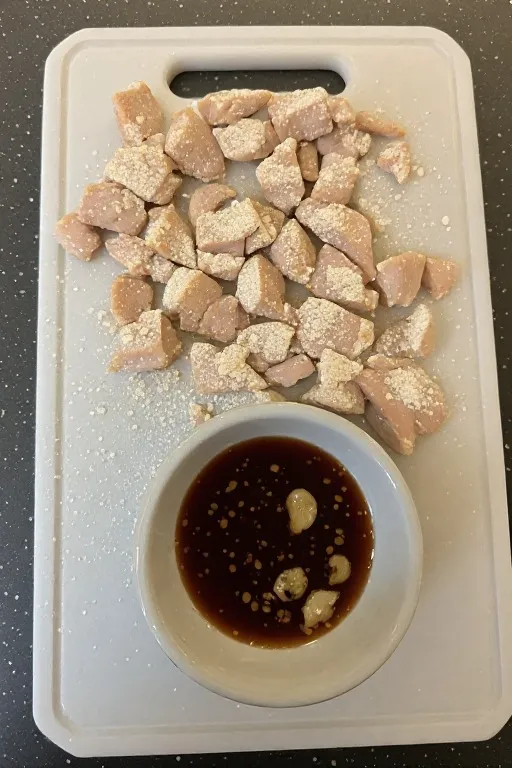
Toss the cut chicken pieces with cornstarch, salt, and pepper until lightly coated.
In a small bowl, whisk together soy sauce, rice vinegar, honey, garlic, ginger, and a splash of water to loosen it slightly. Set the sauce aside.
Cook the Stir Fry
Heat a large skillet or wok over high heat with a tablespoon of oil. Add the chicken in a single layer and let it sit for a minute before stirring, so it gets some color instead of just steaming. Cook for 4 to 5 minutes until cooked through, then remove and set aside.
Add a little more oil to the pan if needed, then add the vegetables. Stir fry for 3 to 5 minutes, keeping them moving so they cook evenly and stay crisp rather than turning soft.
Return the chicken to the pan and pour in the sauce. Toss everything together and cook for another 1 to 2 minutes, until the sauce thickens slightly and coats everything.
Remove from heat and drizzle with sesame oil.
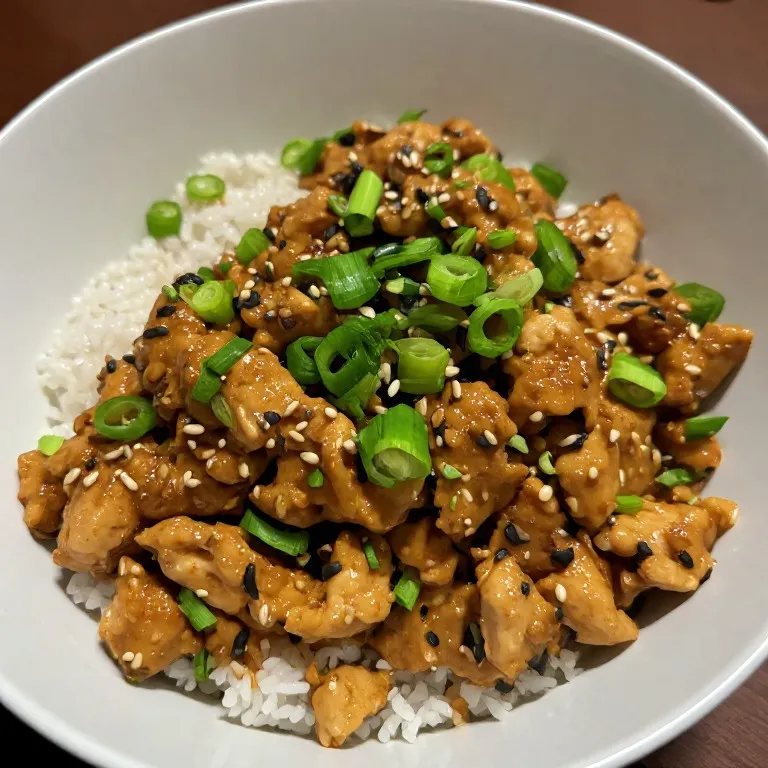
This works well in a rotation with the air fryer chicken breast and the greek chicken bowl if you want a few different chicken dinners on hand that don’t taste anything alike. This one leans savory and a little sweet, so it breaks things up nicely if you’ve been eating a lot of Mediterranean flavors.
💚 Upgrade your meals with high protein recipes the whole family will love — check out The High Protein Cookbook, packed with delicious protein-packed recipes to keep you full and energized!
Tips
Use a hot pan. This is the single biggest factor in a good stir fry. A pan that isn’t hot enough steams the food instead of searing it, and you end up with soggy vegetables and pale chicken instead of the crisp, slightly charred result you want.
Don’t crowd the pan. Cook the chicken in batches if needed. Too much in the pan at once drops the temperature and leads to steaming instead of browning.
Cut everything roughly the same size. This keeps the vegetables cooking at the same rate so you don’t end up with mushy broccoli and undercooked carrots in the same bite.
Prep everything before you start cooking. Stir frying moves fast once it starts. Have the chicken cut, the sauce mixed, and the vegetables chopped before the pan even heats up.
Don’t skip the cornstarch on the chicken. It’s a small step that makes a real difference in both the texture of the chicken and how well the sauce clings to everything at the end.
Variations
Make it spicy. Add sriracha or crushed red pepper to the sauce for heat. Start small and adjust to taste, since the sauce already has a lot going on flavor-wise.
Swap the protein. Shrimp, tofu, or thinly sliced beef all work well with the same sauce and technique, adjusting the cook time based on what you use.
Add cashews or peanuts. A handful tossed in at the end adds crunch and makes the dish feel a little heartier, though skip this if you need it nut free.
Try a different sauce base. Swap the honey soy sauce for a peanut sauce or a teriyaki-style glaze if you want a different flavor direction using the same technique.
Serve it over noodles. Rice noodles or lo mein noodles work well in place of rice if you want something a little different.
Substitutions
Chicken breasts can be replaced with chicken thighs, shrimp, tofu, or thinly sliced beef, adjusting the cook time depending on what you use.
Soy sauce can be replaced with tamari for a gluten-free version, or coconut aminos for a soy-free option, though the flavor will be slightly sweeter.
Honey can be replaced with brown sugar or maple syrup in the same amount.
Fresh ginger can be replaced with ground ginger in a pinch, using about a quarter of the amount, though the flavor won’t be quite as sharp.
Rice vinegar can be replaced with white wine vinegar or apple cider vinegar if that’s what you have on hand.
Storage
Store leftovers in an airtight container in the fridge for up to 4 days. This holds up well for meal prep, though the vegetables will soften slightly the longer they sit.
Reheat in a skillet over medium heat for a few minutes, or in the microwave in short intervals until warmed through. A skillet does a better job of keeping the vegetables from turning mushy compared to the microwave.
This doesn’t freeze particularly well, since the vegetables lose their texture once thawed. It’s best eaten within the first few days.
Frequently Asked Questions
Why are my stir fry vegetables always soggy?
The pan usually isn’t hot enough, or there’s too much in the pan at once. Both cause the vegetables to steam instead of sear. Cook over high heat, don’t overcrowd the pan, and keep the vegetables moving so they cook fast and stay crisp.
Can I make the sauce ahead of time?
Yes, the sauce can be mixed up to 3 days ahead and stored in the fridge in an airtight container. This is a good way to cut down on prep time on the night you actually make the stir fry.
What’s the best oil for stir frying?
A neutral oil with a high smoke point, like avocado oil or peanut oil, works best since stir frying happens over high heat. Save the sesame oil for finishing the dish rather than cooking with it, since it has a lower smoke point and a stronger flavor.
Is this recipe gluten free?
It is if you use tamari instead of regular soy sauce. Double check the label on any other sauces or condiments you add, since some contain gluten.
Can I use frozen vegetables?
You can, though fresh vegetables give a better texture since frozen vegetables release more water as they cook. If using frozen, don’t thaw them first, and expect a slightly softer result.
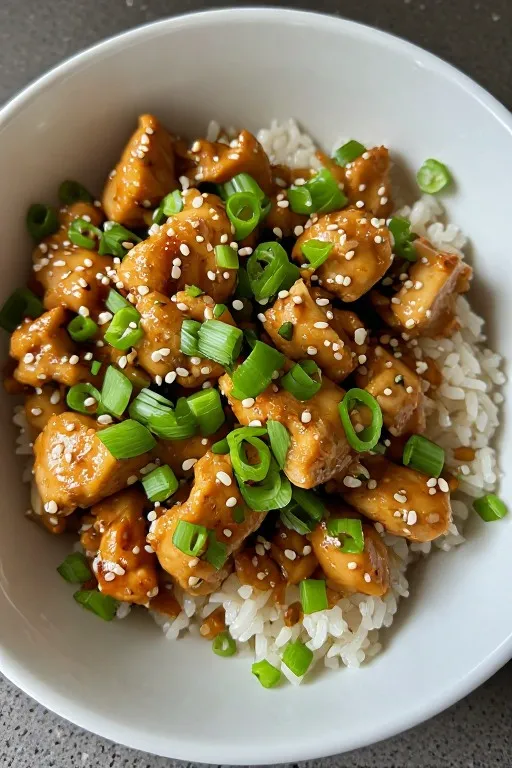

Healthy Chicken Stir Fry That Beats Takeout Every Time
Description
This healthy chicken stir fry is loaded with crisp vegetables and a savory garlic ginger sauce, ready in about 30 minutes. A fast, satisfying dinner that beats takeout.
Ingredients
For the chicken:
For the sauce:
For the stir fry:
Instructions
- Toss the cut chicken with cornstarch, salt, and pepper until lightly coated.
- In a small bowl, whisk together soy sauce, rice vinegar, honey, garlic, ginger, and water. Set aside.
- Heat 1 tablespoon oil in a large skillet or wok over high heat. Add the chicken in a single layer and cook for 4 to 5 minutes until browned and cooked through. Remove and set aside.
- Add the remaining oil to the pan, then add the broccoli, bell pepper, carrot, and snap peas. Stir fry for 3 to 5 minutes, keeping the vegetables moving.
- Return the chicken to the pan and pour in the sauce. Toss everything together and cook for 1 to 2 minutes, until the sauce thickens slightly.
- Remove from heat, drizzle with sesame oil, and top with sesame seeds and green onion before serving.
Nutrition Facts
Servings 4
- Amount Per Serving
- Calories 330kcal
- % Daily Value *
- Total Fat 10g16%
- Saturated Fat 1.5g8%
- Cholesterol 95mg32%
- Sodium 890mg38%
- Total Carbohydrate 20g7%
- Dietary Fiber 3g12%
- Sugars 9g
- Protein 38g76%
* Percent Daily Values are based on a 2,000 calorie diet. Your daily value may be higher or lower depending on your calorie needs.
Note
Use a hot pan and don't overcrowd it, or the chicken and vegetables will steam instead of sear.
Cornstarch on the chicken helps it brown and helps the sauce cling once everything is combined.